

Freedom Agenda
JUSTYNA RZEWINSKI

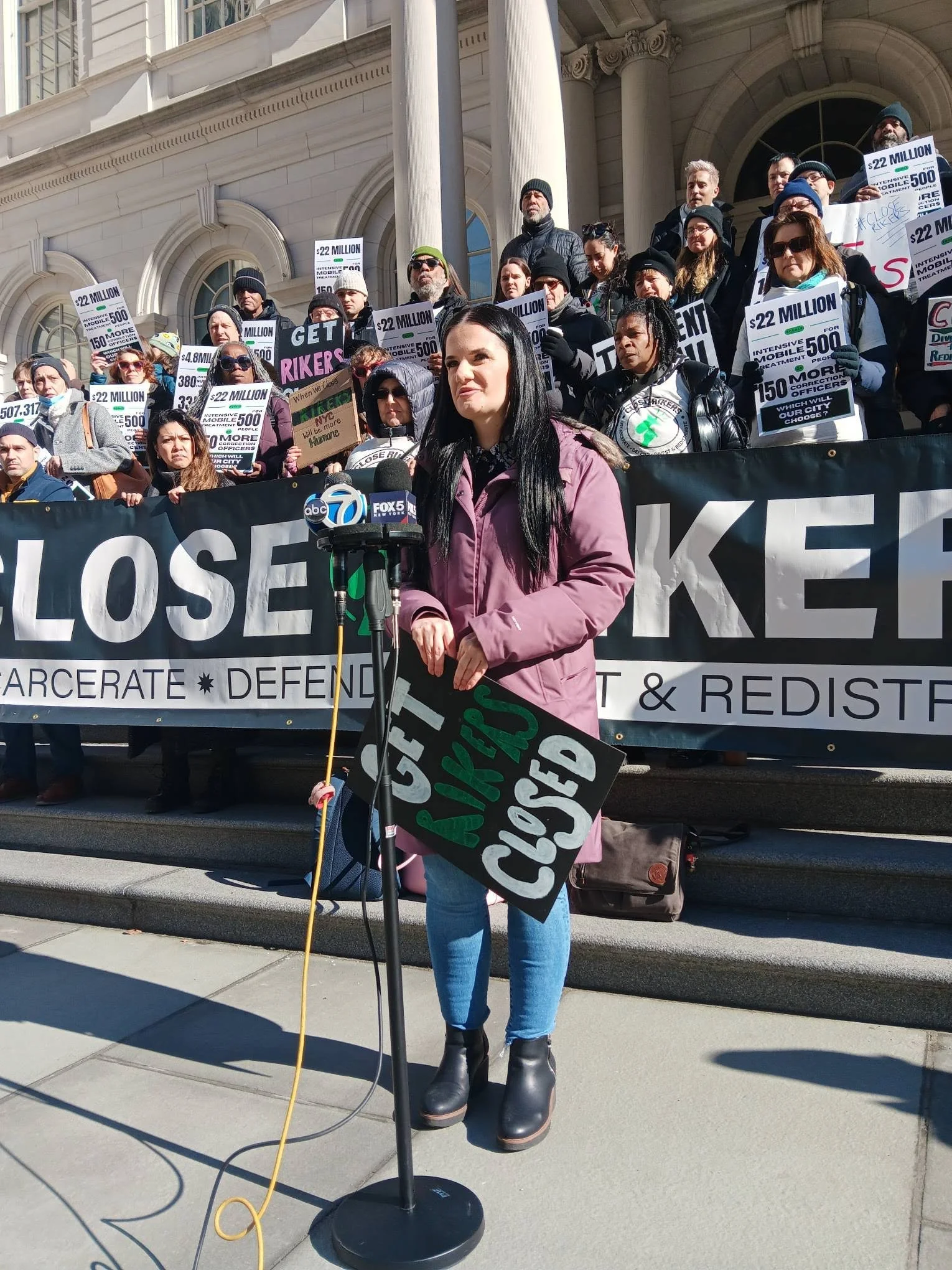
"From a social work and ethical standpoint, institutions that consistently produce harm cannot be repaired through incremental reform alone. Closure is necessary to end a system that relies on confinement rather than care and to move toward approaches grounded in public health and human dignity."
Justyna Rzewinski, LCSW, is a licensed clinical social worker, forensic practitioner, educator, and Rikers Island whistleblower. Founder of Justice Journey Wellness, LLC, she advances trauma-informed care, human rights, and systemic reform at the intersection of mental health and the criminal legal system.
Media Appearances
-
![]()
Reports of mentally ill being locked in, denied treatment at Rikers sparks investigation
By Graham Rayman
New York Daily News, Oct. 8, 2024
-
![]()
Former Rikers worker says DOC locks mentally ill detainees inside cells for weeks
By Jacob Kaye
Queens Daily Eagle, Oct. 11, 2024
-
![]()
Detainees locked in cells for weeks: whistleblower
By Courtney Gross
Spectrum News NY1, Oct 11, 2024
-
![]()
DOI probes treatment of mentally ill on Rikers Island
By Courtney Gross
Spectrum News NY1, Nov. 12, 2024
-
![]()
DOC boss denies knowing about Rikers’ ‘worst-kept secret’
by Jacob Kaye
Queens Daily Eagle, Nov. 13, 2024
-
![]()
Why I Blew the Whistle on Extreme Confinement on Rikers Island
By Justyna Rzewinski
The Marshall Project, Jun. 27, 2025
-
![]()
ON RIKERS ISLAND, PEOPLE WITH MENTAL ILLNESS ARE “DEADLOCKED” IN CELLS FOR MONTHS…AND OTHER NEWS ON SOLITARY CONFINEMENT THIS WEEK
By Lena Massengale
Solitary Watch, July 2, 2025
-
![]()
New York’s Rikers Island: life and death inside the jaws of hell
By Louise Callaghan
The Sunday Times, Sept. 6, 2025

Q&A
1.) How are you connected to this movement?
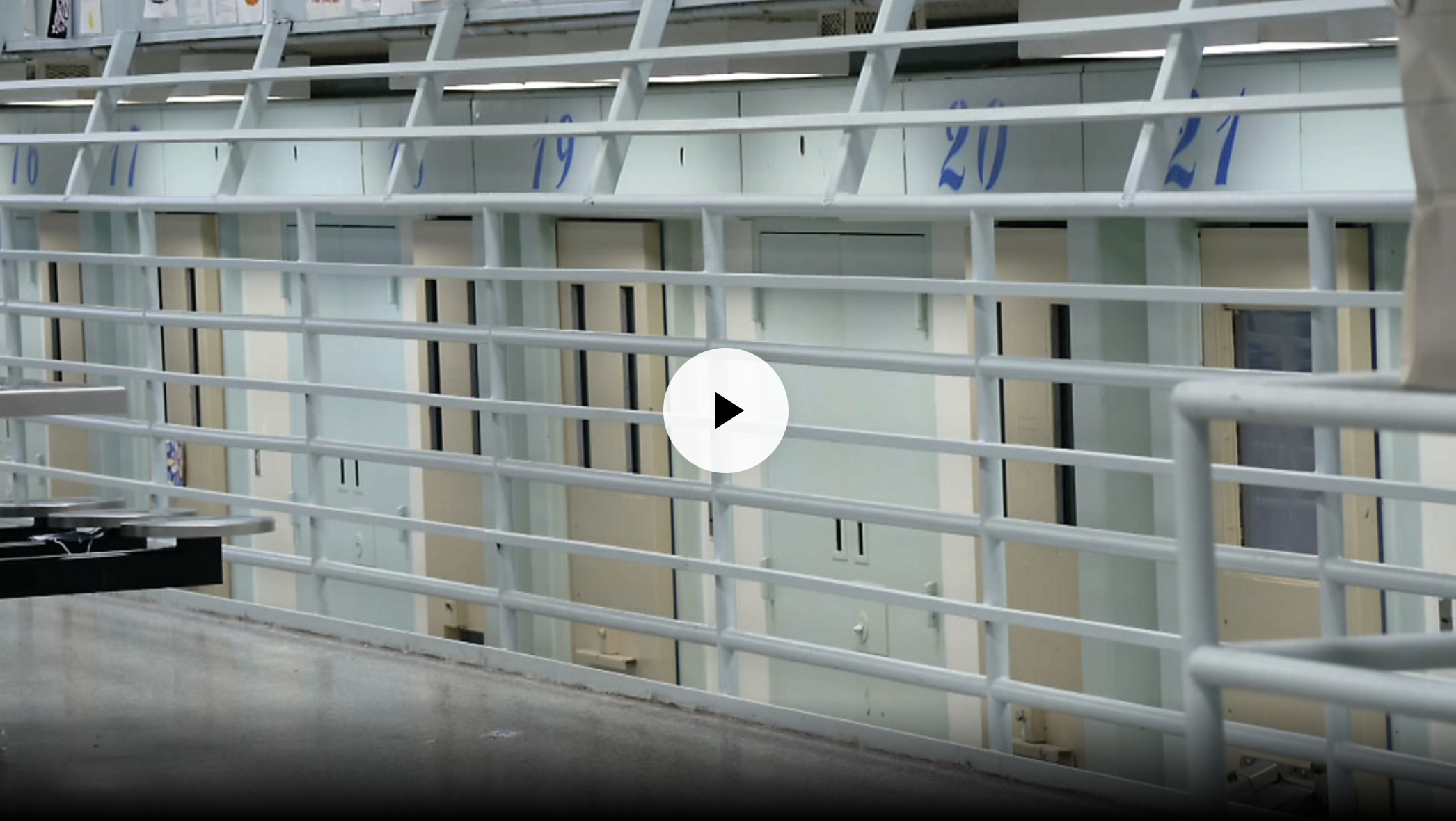
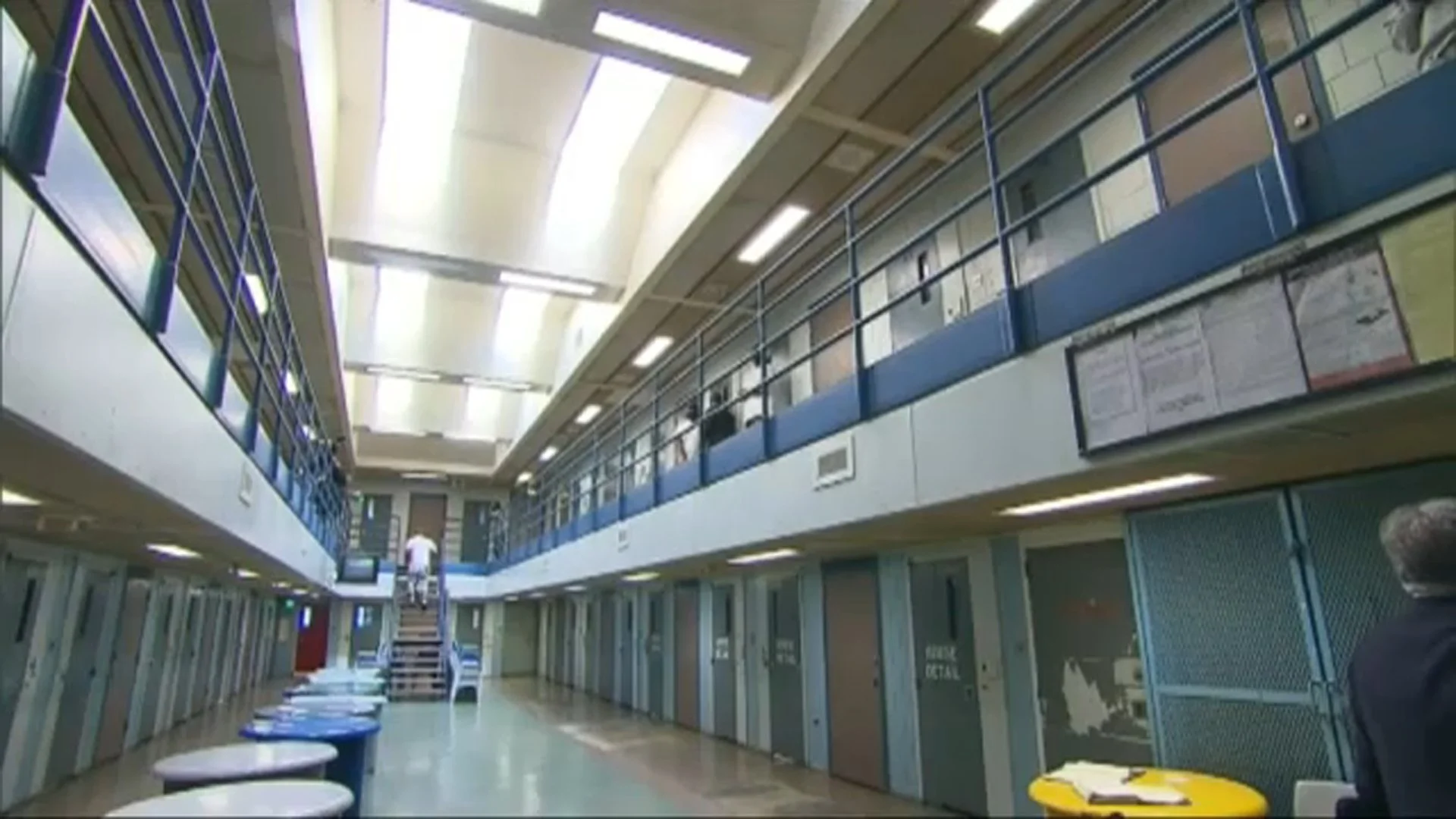
My connection to this movement is both professional and deeply personal. As a licensed clinical social worker, forensic practitioner, educator, and former mental health clinician on Rikers Island, I witnessed firsthand the profound harm caused by incarceration, particularly for individuals living with serious mental illness. I saw people deteriorate psychologically in isolation, denied basic therapeutic care, and subjected to conditions that contradicted the fundamental ethics of my profession. I ultimately made the decision to speak out and become a whistleblower after witnessing individuals with severe mental illness confined to their cells for weeks and months, a practice known as “deadlocking.” This was not treatment. It was abandonment. That experience transformed my role from provider to advocate, and I remain committed to advancing healing, accountability, and systemic change for individuals impacted by incarceration.
2.) Why should Rikers close?
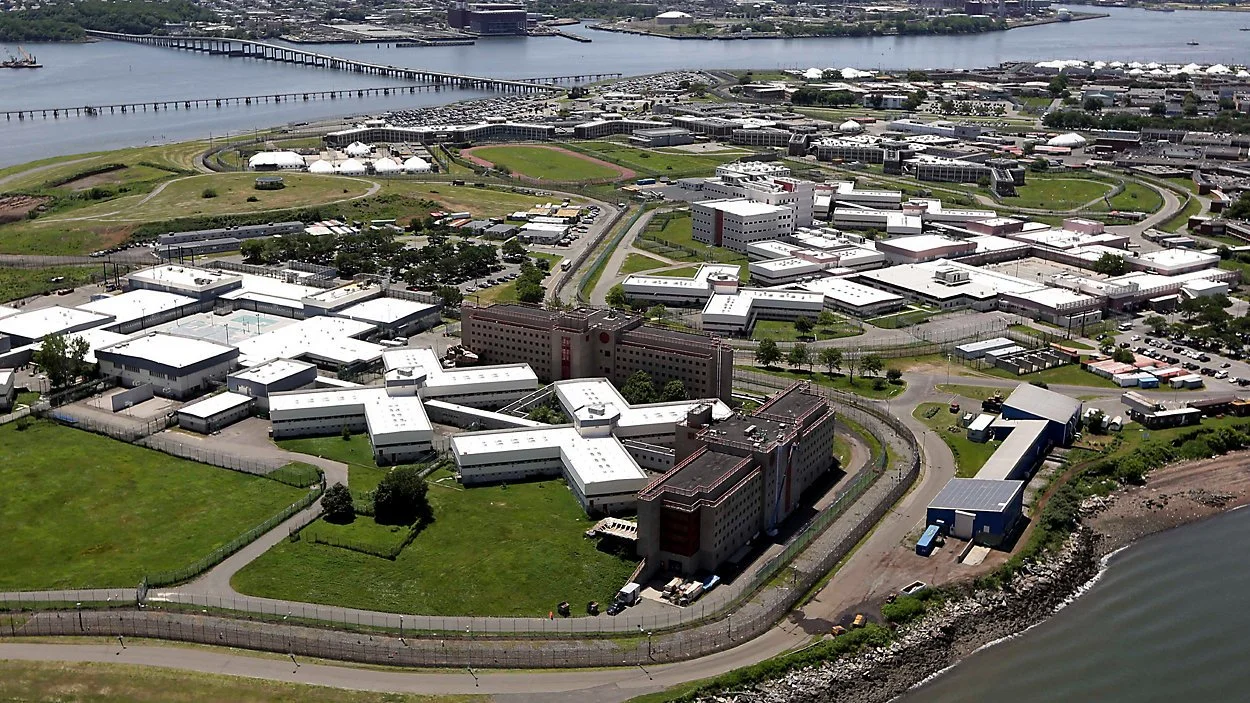
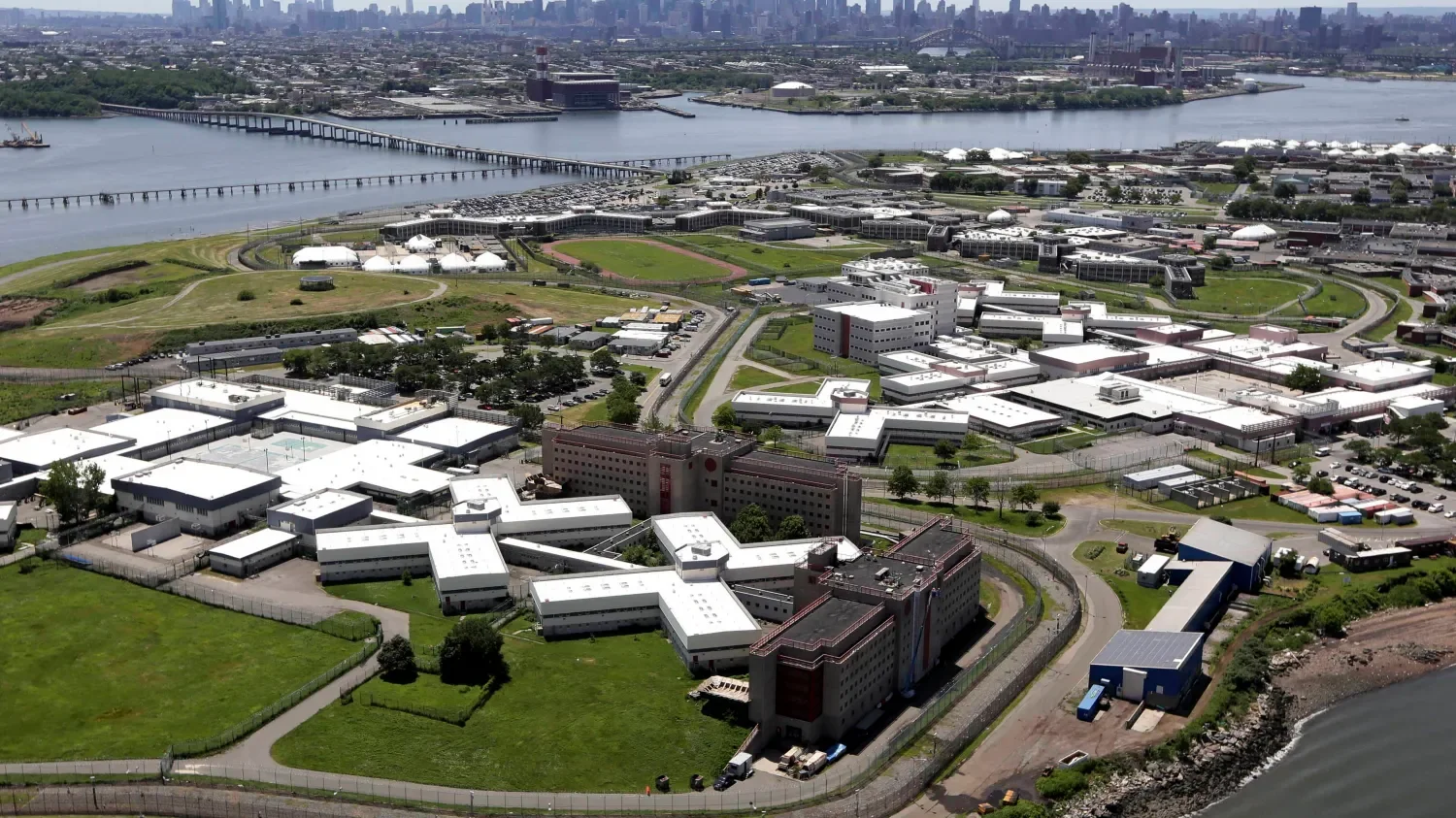
Rikers should close because it is structurally incapable of providing safety, care, or human dignity. The harm occurring there is not incidental, it is systemic. The design, culture, and function of Rikers perpetuate violence, psychological trauma, and neglect, particularly for people with mental illness. From a clinical perspective, incarceration at Rikers often worsens the very conditions it claims to manage. Isolation, instability, and lack of adequate mental health care contribute to psychiatric deterioration, suicidality, and long-term trauma. Individuals frequently leave in worse condition than when they entered. From a social work and ethical standpoint, institutions that consistently produce harm cannot be repaired through incremental reform alone. Closure is necessary to end a system that relies on confinement rather than care and to move toward approaches grounded in public health and human dignity.
3.) What is your vision for a more just and equitable post-Rikers New York City?
My vision for a more just and equitable post-Rikers New York City is one where care replaces punishment and where people receive support before crisis escalates into incarceration. This means investing in community-based mental health services, supportive housing, substance use treatment, and trauma-informed care. It means expanding diversion programs and alternatives to incarceration that address the root causes of system involvement rather than relying on confinement as the default response. It also means recognizing that safety is created through stability, access, and opportunity—not isolation and punishment. A post-Rikers future must center dignity, healing, and accountability. It must acknowledge that people are more than their worst moments, and that true public safety is built through investment in communities, not cages.